

In an era increasingly defined by rapid advancements in Artificial Intelligence, a recurring question often surfaces.
Will AI Eventually Replace Human Intelligence?
While AI’s capabilities are undeniably transformative, revolutionizing industries and automating complex tasks, it is crucial to understand that AI is fundamentally designed to support human intelligence, not supersede it.
The true power of AI lies in its ability to augment human capabilities, providing insights and efficiencies that allow humans to focus on tasks requiring unique human attributes such as empathy, critical thinking, creativity, and the nuanced understanding of complex social dynamics.
The notion that AI will entirely supplant human roles, particularly in areas like management and interpersonal interaction, misinterprets the very nature of both AI and human intelligence.
AI excels at processing vast datasets, identifying patterns, and executing algorithms with unparalleled speed and accuracy. It can provide data-driven recommendations and automate repetitive processes. However, it lacks genuine understanding, consciousness, and the ability to navigate the inherently messy, emotionally charged, and unpredictable landscape of human relationships.
Consider the role of managers and coaches. AI can be an incredible asset in providing data-driven insights. For example, a system like “Hypercoach” might analyze employee performance metrics, communication patterns, and engagement survey results to identify potential issues or areas for development.
It can flag an employee who might be disengaged, suggest possible reasons, or even recommend resources for professional growth. This is where AI’s strength lies in delivering actionable insights that support human decision-making.
However, Hypercoach, or any AI for that matter, cannot and should not be expected to replace the critical act of a manager holding a feedback conversation, engaging with employees live, or offering empathetic support. These interactions require a uniquely human touch.
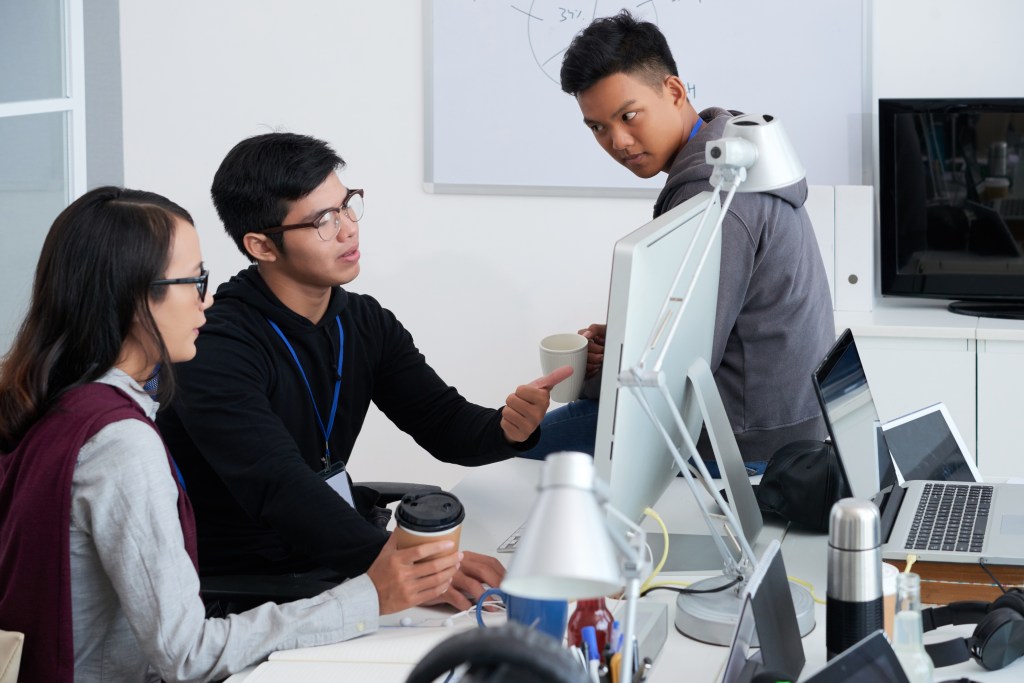
A manager’s ability to interpret nonverbal cues, understand the emotional context of a situation, and adapt their communication style based on individual personalities are skills that AI cannot replicate. A difficult performance conversation, for instance, requires not just the delivery of information but also active listening, empathy, building rapport, and the ability to motivate and inspire, all of which are deeply human attributes.
Furthermore, a significant element of effective management and coaching is the development of trust. Trust is built through consistent, genuine human interaction, shared experiences, and the understanding that comes from one person truly seeing and hearing another.
A manager’s presence, their ability to provide a safe space for employees to express concerns, and their willingness to offer unwavering support through challenging times are cornerstones of a healthy workplace. This fundamental human connection fosters loyalty, promotes open communication, and is indispensable for creating a cohesive and resilient team culture. An AI, no matter how sophisticated, cannot replicate the warmth, understanding, and personal connection that builds this kind of trust.

The most effective integration of AI in the workplace will always be a symbiotic one, where AI handles the data analysis and repetitive tasks, freeing up human intelligence to focus on higher-level strategic thinking, creative problem-solving, and building robust interpersonal relationships. AI provides the map and the data points, but it is human intelligence that navigates the terrain, understands the nuances of the journey, and inspires others to reach the destination.
In conclusion, while AI will continue to evolve and become an increasingly powerful tool, it will always serve as an enhancer of human capabilities, not a replacement for them. The unique blend of emotional intelligence, critical thinking, creativity, and the ability to foster genuine human connection remains the exclusive domain of human intelligence.
The future of work is not about humans versus machines, but rather about humans and machines working together, leveraging their respective strengths to achieve unprecedented levels of productivity, innovation, and well-being. The irreplaceable human touch will always be the guiding force in building successful organizations and thriving communities.


 HyperCoach
Leave a comment